Periodontal Care
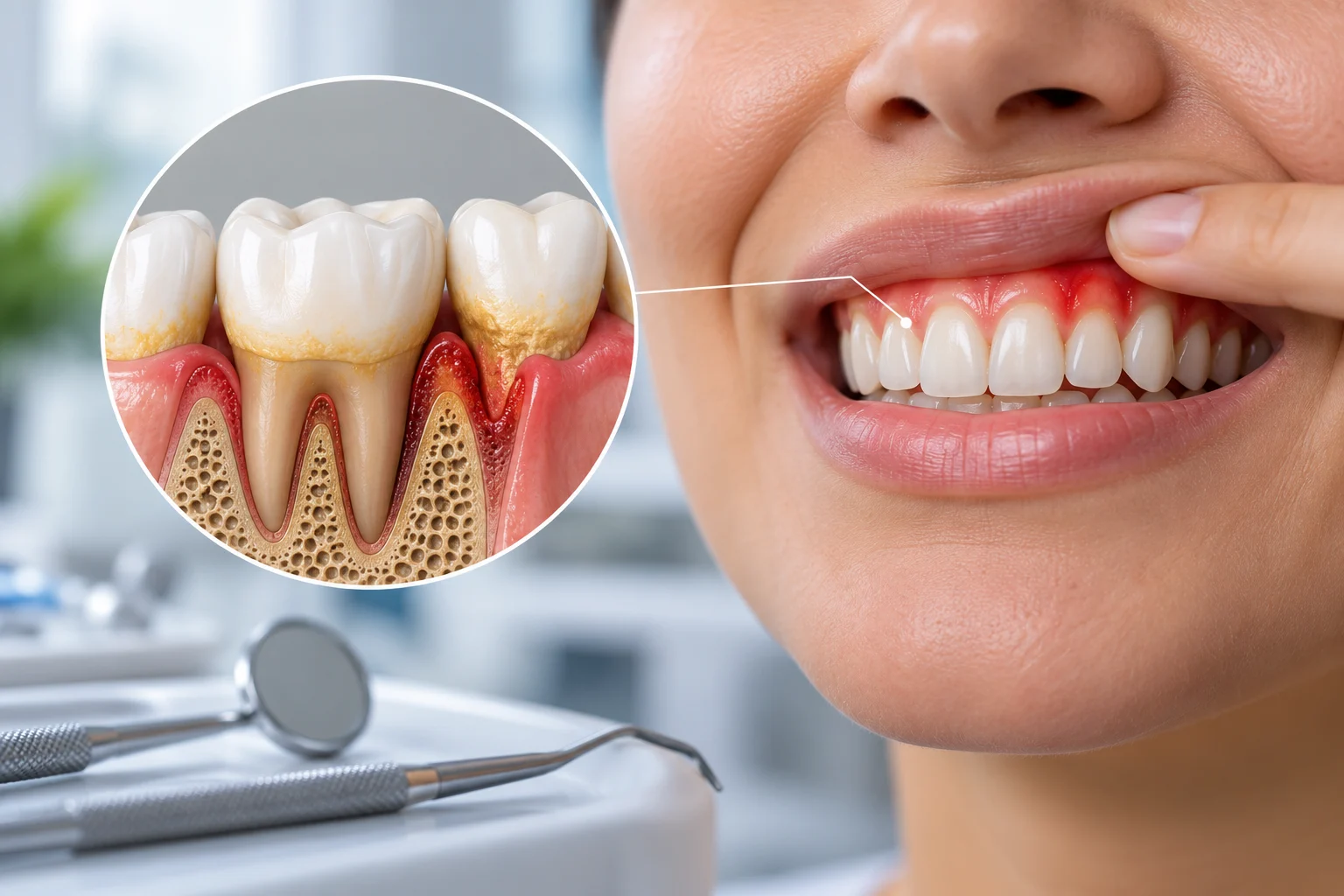
Healthy gums are essential for maintaining strong teeth and a healthy smile. However, gum problems can develop gradually, often without causing noticeable discomfort in their early stages. Without appropriate care, conditions such as gingivitis and periodontitis can affect the tissues and bone supporting your teeth, potentially leading to tooth loss.
At Airedale Dental Practice, we believe that looking after your gums is just as important as caring for your teeth. Our periodontal care in Castleford focuses on identifying gum problems, managing existing conditions, and helping patients maintain good long-term oral health through appropriate dental care and preventive guidance.
Whether you have noticed bleeding gums, persistent bad breath, or gum tenderness, seeking professional advice can help you understand the cause and explore suitable treatment options.
What Is Periodontal Care?
Periodontal care involves the prevention, diagnosis, and management of diseases affecting the gums and supporting structures of the teeth. These structures include the periodontal ligament, cementum, and alveolar bone, which work together to keep your teeth securely in place.
Gum disease is one of the most common oral health conditions. It generally develops when plaque, a sticky film of bacteria, builds up around the teeth and gumline. If plaque is not removed effectively, it can harden into tartar, which cannot be removed through ordinary brushing and flossing.
Periodontal care aims to control bacterial buildup, reduce gum inflammation, protect the supporting tissues, and prevent further damage.
Understanding the Different Stages of Gum Disease
Gum disease typically develops in stages. Recognising the symptoms early can make a difference in managing the condition.
1. Gingivitis
Gingivitis is the earliest stage of gum disease. It occurs when plaque accumulates around the gumline, causing inflammation.
Common signs include:
- Red or swollen gums.
- Bleeding while brushing or flossing.
- Tenderness around the gumline.
- Persistent bad breath.
At this stage, the condition has not caused permanent damage to the bone supporting your teeth. With professional cleaning and improved oral hygiene, gingivitis can often be reversed.
2. Periodontitis
When gingivitis is left untreated, it can progress to periodontitis. At this stage, inflammation affects the deeper supporting tissues surrounding the teeth.
The gums may begin to pull away from the teeth, creating spaces known as periodontal pockets. Bacteria can accumulate in these pockets, making the condition more difficult to manage through routine oral hygiene alone.
Symptoms may include:
- Receding gums.
- Persistent bad breath.
- Loose or shifting teeth.
- Discomfort while chewing.
- Changes in the way your teeth fit together.
- Pus or discharge around the gums.
Periodontitis can lead to irreversible damage to the supporting bone and, in advanced cases, tooth loss. Early diagnosis and ongoing periodontal treatment are important for managing the condition.
Common Signs You May Need Periodontal Care
Gum disease does not always cause pain, particularly during its early stages. This means you may have an underlying problem without immediately realising it.
Consider arranging a dental assessment if you experience:
- Bleeding gums: Blood when brushing, flossing, or eating may indicate gum inflammation.
- Swollen or tender gums: Changes in the appearance or sensitivity of your gums can be an early warning sign.
- Persistent bad breath: Ongoing unpleasant breath may be associated with bacterial buildup around the teeth and gums.
- Receding gumline: Gums that gradually move away from the teeth can expose their roots.
- Loose teeth: Movement or changes in tooth positioning may indicate damage to the supporting structures.
- Changes in your bite: Teeth that no longer fit together comfortably may require professional assessment.
Even if these symptoms seem mild, a dental examination can help identify their underlying cause.
What Causes Gum Disease?
Several factors can increase your risk of developing periodontal problems.
Poor oral hygiene: Inadequate brushing and flossing allow plaque to accumulate around the teeth and gumline.
Smoking and tobacco use: Tobacco can affect gum health, interfere with healing, and increase the risk of periodontal disease.
Diabetes: Poorly controlled blood sugar levels can increase susceptibility to gum infections and make existing gum disease more difficult to manage.
Hormonal changes: Pregnancy and other hormonal fluctuations can make gums more sensitive to plaque.
Genetics: Some individuals may have a higher susceptibility to periodontal disease, even when they maintain reasonable oral hygiene.
Certain medications: Some medicines can contribute to dry mouth or changes in gum tissue, potentially affecting oral health.
Understanding these risk factors helps your dental team provide more appropriate preventive advice.
Periodontal Treatments Available for Gum Health
The right treatment depends on the severity of your gum condition, the extent of inflammation, and whether the supporting structures have been affected.
At Airedale Dental Practice, an appropriate approach to periodontal care begins with assessing your oral health and understanding your individual needs.
Professional Dental Cleaning
Professional cleaning helps remove plaque and hardened tartar from the tooth surfaces and around the gumline. It is an important part of preventing and managing early gum disease.
Regular dental hygiene appointments can also help identify areas where plaque tends to accumulate, allowing you to improve your daily cleaning routine.
Scaling and Root Surface Debridement
For patients with periodontitis, a deeper cleaning procedure may be recommended. This involves removing plaque and tartar deposits from below the gumline and cleaning the affected root surfaces.
The procedure helps reduce bacterial buildup and inflammation, making it easier for the gums to heal and reattach where possible.
Depending on the extent of treatment required, local anaesthesia may be used to improve comfort.
Personalised Oral Hygiene Guidance
Effective periodontal care involves more than professional treatment. Maintaining healthy gums requires consistent daily cleaning.
Your dental team may recommend:
- Brushing twice daily with fluoride toothpaste.
- Using a soft-bristled toothbrush.
- Cleaning between your teeth daily with interdental brushes or dental floss.
- Following any specific cleaning instructions provided during your appointment.
- Attending recommended dental and hygiene reviews.
Ongoing Periodontal Maintenance
Patients who have experienced gum disease may need regular periodontal maintenance appointments. These visits help monitor gum health, remove new plaque and tartar deposits, and identify any signs of recurring inflammation.
The frequency of these appointments depends on your periodontal condition and individual risk factors.
Why Is Early Periodontal Treatment Important?
Healthy gums provide essential support for your natural teeth. When gum disease progresses, it can damage the tissues and bone responsible for keeping your teeth stable.
Seeking timely periodontal care can help:
- Reduce gum inflammation and bleeding.
- Control bacterial buildup around the teeth.
- Prevent or slow further periodontal damage.
- Protect the supporting structures of your teeth.
- Reduce the risk of tooth loss.
- Support better long-term oral hygiene.
Although existing bone loss cannot always be reversed, appropriate periodontal treatment can help manage the condition and prevent further deterioration.
How Can You Prevent Gum Disease?
Good daily habits play an important role in keeping your gums healthy.
Here are some practical steps you can follow:
- Brush thoroughly: Clean your teeth twice a day for approximately two minutes, paying attention to the gumline.
- Clean between your teeth: Use interdental brushes or floss to remove plaque from areas your toothbrush cannot reach.
- Avoid tobacco: Smoking increases the risk of gum disease and can affect treatment outcomes.
- Maintain a balanced diet: Limit frequent sugary snacks and drinks while choosing a varied, nutritious diet.
- Attend regular dental appointments: Routine examinations help identify early signs of gum problems.
- Follow professional advice: If you have previously been diagnosed with gum disease, attend recommended periodontal maintenance appointments.
Consistency is key. Small improvements in your daily routine can make a meaningful difference to your gum health.
Periodontal Care in Castleford at Airedale Dental Practice
Looking after your gums is an important part of protecting your natural teeth and maintaining your oral health. Whether you are experiencing early signs of gum inflammation or require ongoing management of periodontal disease, professional dental guidance can help you take the right steps.
At Airedale Dental Practice, we encourage patients to take a proactive approach to their oral health through regular dental assessments, preventive care, and personalised advice.
If you have noticed bleeding gums, persistent bad breath, gum recession, or other changes in your oral health, do not ignore them. Arrange an appointment with our dental team to have your gums assessed and discuss suitable care options.
Looking for periodontal care in Castleford? Contact Airedale Dental Practice to arrange an appointment and take the next step towards healthier gums and a healthier smile.
Frequently Asked Questions
1. What is the difference between gingivitis and periodontitis?
Gingivitis is the early stage of gum disease and causes inflammation without permanent damage to the supporting bone. Periodontitis is a more advanced condition that can damage the tissues and bone supporting your teeth.
2. Can gum disease be reversed?
Gingivitis can often be reversed with professional cleaning and improved oral hygiene. Periodontitis generally cannot be completely reversed, but appropriate treatment can help control the condition and prevent further damage.
3. Is periodontal treatment painful?
Most periodontal procedures are well tolerated. Depending on the treatment required, local anaesthesia may be used to minimise discomfort during deeper cleaning procedures. You may experience temporary tenderness afterwards.
4. How often should I have periodontal maintenance?
The recommended frequency depends on your gum health, medical history, and risk factors. Patients with a history of periodontitis may require more frequent professional maintenance than those with healthy gums.
5. Can gum disease cause tooth loss?
Yes. Advanced periodontitis can damage the bone and tissues supporting your teeth. If left unmanaged, this may eventually cause teeth to become loose and fall out or require extraction.
6. Does bleeding while brushing always mean gum disease?
Not necessarily, but bleeding gums can be an early sign of gingivitis or another oral health concern. If you regularly notice bleeding while brushing or flossing, arrange a dental assessment to identify the cause.

Dental Care Options
Click a card to discover the care option that’s right for you.


Location
Schedule Your Visit!
This form is for contact purposes only. We’ve been proudly serving the dental needs of our community for over 25 years – and we’re here to help you, too.

Office Hours
Monday–Friday
9 am – 1 pm & 2 pm – 5 pm
Saturday & Sunday
Closed


Location
55 Carlton Street, Castleford, WF10 1AN United Kingdom
Please refer to the four council-listed car parks: Aire Street, Castlefields, Welbeck Street and Wesley Street.

Friendly family dental care for all ages. We offer routine NHS care for existing patients and emergency-only NHS care for new patients. Private dental treatments are also available. Our team is happy to answer your questions and guide you through your options.





© 2026 Airedale Dental Practice | All Rights Reserved | Privacy Policy | Website Design by Remedo